
Positive Material Identification (PMI) is a critical Non-Destructive Testing (NDT) method used to verify the chemical composition and grade of metals and alloys, ensuring materials meet specifications and preventing costly failures due to material mix-ups.
Introduction
Positive Material Identification (PMI) is an essential quality control technique that analyzes the elemental composition of metallic materials to confirm their grade and ensure compliance with project specifications. In industries where material integrity is paramount, PMI testing prevents catastrophic failures, costly rework, and safety hazards caused by incorrect material usage. As a leading NDT service provider in India, Novel Inspection and Testing Services delivers accurate, reliable PMI testing using advanced portable XRF (X-Ray Fluorescence) analyzers.
How PMI Testing Works
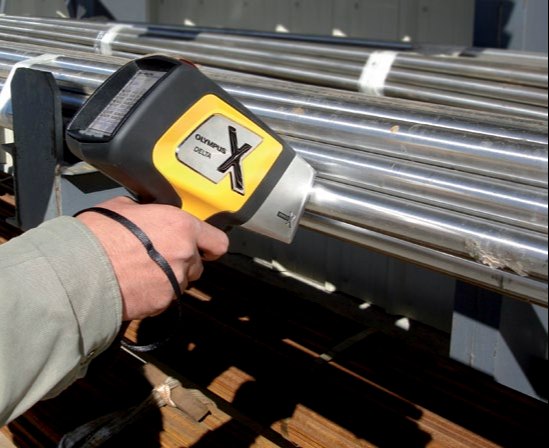
PMI testing utilizes portable X-Ray Fluorescence (XRF) technology to perform rapid, non-destructive analysis of metal alloys. The XRF analyzer emits X-rays that excite atoms in the material, causing them to emit characteristic fluorescent X-rays. By measuring these fluorescent X-rays, the analyzer determines the elemental composition and identifies the material grade within seconds.
The process is completely non-destructive, requiring minimal surface preparation, and can be performed on-site without removing samples. Modern handheld XRF analyzers provide laboratory-quality results in the field, making PMI testing highly efficient for large-scale projects and critical applications.
Key Applications
Oil & Gas Industry
- Verification of pipeline materials (carbon steel, stainless steel, alloy steel)
- Inspection of pressure vessels, valves, and flanges
- Prevention of material mix-ups during construction and maintenance
- Weld filler material verification
Power Generation
- Boiler tube material identification
- Turbine component verification
- Heat exchanger tube inspection
- High-temperature alloy confirmation
Petrochemical Plants
- Process piping material verification
- Reactor vessel component inspection
- Corrosion-resistant alloy confirmation
- Material traceability during shutdowns
Manufacturing & Fabrication
- Incoming material inspection and verification
- Quality control during fabrication processes
- Supplier material validation
- Segregation of similar-looking alloys
Aerospace & Defense
- Critical component material verification
- Titanium and aluminum alloy identification
- Nickel-based superalloy confirmation
- Traceability compliance
Benefits of PMI Testing
Prevents Material Mix-Ups
Material substitution errors can lead to catastrophic failures, especially in high-temperature or high-pressure applications. PMI testing ensures that the correct material grade is used throughout the project lifecycle.
Cost Savings
Early detection of incorrect materials prevents expensive rework, project delays, and potential liability issues. The cost of PMI testing is minimal compared to the consequences of material failures.
Compliance & Documentation
PMI testing provides documented proof of material conformance, supporting quality assurance programs and regulatory compliance requirements including ASME, API, ASTM, and ISO standards.
Rapid Results
Handheld XRF analyzers deliver results in seconds, enabling real-time decision-making during construction, maintenance, and inspection activities without disrupting project schedules.
Non-Destructive & Portable
PMI testing requires no sample removal and can be performed on-site on installed components, making it ideal for field inspections and installed equipment verification.
Materials Tested
Our PMI services cover a comprehensive range of metallic materials:
Ferrous Alloys
- Carbon Steel (various grades)
- Low Alloy Steel
- Stainless Steel (300, 400, duplex, super duplex series)
- Tool Steel
- Cast Iron
Non-Ferrous Alloys
- Aluminum Alloys
- Copper Alloys (brass, bronze)
- Nickel Alloys (Inconel, Monel, Hastelloy)
- Titanium Alloys
- Cobalt Alloys
High-Performance Alloys
- Nickel-based Superalloys
- High-Temperature Alloys
- Corrosion-Resistant Alloys
- Specialty Alloys
Industry Standards & Codes
Our PMI testing services comply with international codes and standards:
- ASTM E1085 - Standard Test Method for Analysis of Low-Alloy Steels by Wavelength Dispersive X-Ray Fluorescence Spectrometry
- ASME Section II - Materials specifications
- API Standards - American Petroleum Institute material requirements
- International NDT Standards - Personnel certification requirements
- NACE MR0175/ISO 15156 - Petroleum and natural gas industries materials for sour service
- AWS - American Welding Society specifications
Why Choose NITS for PMI Testing?
Advanced Equipment
We utilize state-of-the-art portable XRF analyzers from leading manufacturers, providing laboratory-grade accuracy in field conditions. Our equipment is regularly calibrated and maintained to ensure consistent, reliable results.
Certified Technicians
Our PMI testing is performed by experienced, certified technicians who understand material specifications, industry codes, and application requirements. Our team includes ASNT Level II certified personnel with extensive field experience.
Comprehensive Reporting
We provide detailed PMI reports including elemental composition, grade identification, specification compliance, and photographic documentation. Reports are available in digital format with complete traceability.
Rapid Turnaround
Our mobile PMI service enables on-site testing with immediate results, eliminating sample shipping delays and providing real-time material verification during critical project phases.
Pan-India Coverage
With the capability to mobilize teams across India, we provide consistent, reliable PMI services wherever your projects are located, from remote pipeline construction sites to urban manufacturing facilities.
Common PMI Testing Scenarios
Incoming Material Inspection
Verify that materials delivered to your facility match purchase order specifications before they enter production or construction processes.
Weld Filler Verification
Confirm that welding consumables and filler materials match project specifications, preventing weld failures due to incorrect filler selection.
Asset Integrity Management
During turnarounds and shutdowns, verify material grades of existing equipment to ensure proper replacement materials are specified for repairs and upgrades.
Material Sorting & Segregation
Separate mixed materials in scrap yards, warehouses, or storage facilities, ensuring proper material usage and preventing costly mix-ups.
Failure Investigation
Identify material composition of failed components to determine if material substitution contributed to the failure, supporting root cause analysis.
PMI Testing Process
- Project Planning - Review project requirements, specifications, and testing locations
- Surface Preparation - Light cleaning to remove dirt, paint, or oxidation (minimal preparation required)
- Calibration Verification - Confirm analyzer calibration using certified reference materials
- Testing - Perform XRF analysis on designated components or materials
- Grade Identification - Compare results against material specifications and databases
- Documentation - Generate comprehensive reports with test results and compliance status
- Certification - Provide certified test reports with technician signatures and credentials
Critical Industries We Serve
PMI testing is essential across multiple sectors where material integrity directly impacts safety and performance:
- Oil & Gas - Refineries, pipelines, offshore platforms, storage facilities
- Power Generation - Thermal plants, nuclear facilities, renewable energy projects
- Petrochemical - Chemical processing plants, polymer production facilities
- Aerospace - Aircraft manufacturing, MRO facilities, component suppliers
- Manufacturing - Heavy equipment fabrication, pressure vessel manufacturing
- Construction - Structural steel, high-rise buildings, bridge construction
- Marine - Shipbuilding, offshore structures, port facilities
- Pharmaceutical - Process equipment, clean room fabrication
Preventing Material-Related Failures
Material mix-ups have caused numerous industrial incidents and failures worldwide. Common scenarios include:
- Carbon steel used instead of stainless steel in corrosive service
- Low-temperature carbon steel used in high-temperature applications
- Austenitic stainless steel substituted for duplex stainless in critical applications
- Incorrect nickel alloy grades in sour gas service
- Wrong filler material used in critical welds
PMI testing provides the verification needed to prevent these potentially catastrophic errors, ensuring that every component meets design specifications and service requirements.
Need PMI Testing Services?
Contact Novel Inspection and Testing Services today for professional Positive Material Identification services. Our certified PMI specialists are ready to support your material verification needs with accurate, reliable testing and rapid reporting.
Call/WhatsApp: +91 78369 20565 Email: novel.its91@gmail.com Or: Request a Quote Online
Available 24/7 for emergency PMI services across India. Fast mobilization for urgent material verification requirements.


