
Hardness Testing is a fundamental Non-Destructive Testing (NDT) method used to evaluate the mechanical properties of materials by measuring their resistance to permanent deformation.
Introduction
Hardness Testing is a quick, reliable, and cost-effective method to assess the quality and suitability of materials for specific applications. It provides valuable insights into a material’s strength, wear resistance, and overall integrity without causing damage to the test specimen.
As a leading NDT service provider in India, we offer comprehensive hardness testing services using state-of-the-art equipment and certified procedures to ensure accurate and reliable results.
What is Hardness Testing?
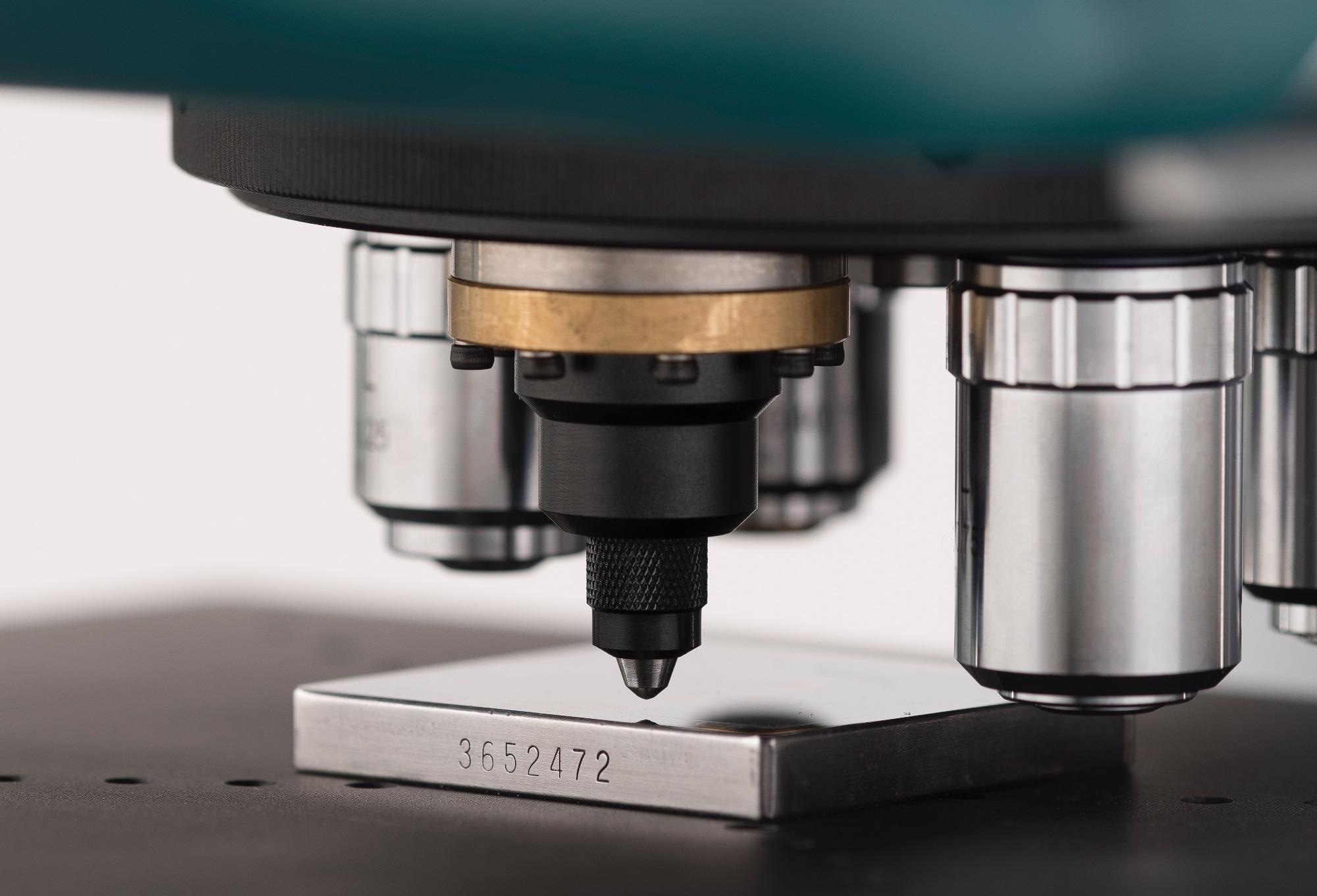
Hardness is defined as a material’s resistance to localized plastic deformation, such as indentation or scratching. Hardness testing measures this property by applying a specific load to the material’s surface using an indenter and measuring the resulting indentation.
The hardness value obtained helps determine:
- Material identification and verification
- Heat treatment effectiveness
- Quality control in manufacturing
- Component suitability for service conditions
- Wear resistance and durability
Common Hardness Testing Methods
1. Brinell Hardness Test (HB)
Uses a hardened steel or carbide ball indenter. Suitable for testing materials with coarse or uneven grain structures, such as castings and forgings.
2. Rockwell Hardness Test (HR)
One of the most widely used methods due to its speed and ease of operation. Different scales (HRA, HRB, HRC) are used depending on the material type.
3. Vickers Hardness Test (HV)
Uses a diamond pyramid indenter and is suitable for testing a wide range of materials, including thin sections and surface treatments.
4. Knoop Hardness Test (HK)
Similar to Vickers but uses an elongated diamond indenter. Ideal for testing brittle materials and thin coatings.
5. Portable Hardness Testing
For on-site testing of large structures, installed equipment, and hard-to-reach areas. Methods include Leeb rebound hardness testers and ultrasonic contact impedance (UCI) testers.
Applications of Hardness Testing
Hardness testing is extensively used across various industries:
- Oil & Gas: Verifying material specifications for pipelines, pressure vessels, and valves
- Power Generation: Ensuring turbine blades and boiler tubes meet hardness requirements
- Automotive: Quality control of engine components and structural parts
- Aerospace: Material verification for critical aircraft components
- Manufacturing: Heat treatment verification and quality assurance
- Construction: Testing structural steel and welded joints
Benefits of Hardness Testing
- Non-destructive: Material remains undamaged and usable after testing
- Quick Results: Provides immediate feedback on material properties
- Cost-effective: Economical compared to other mechanical testing methods
- Portable: Can be performed on-site for large or installed components
- Versatile: Applicable to a wide range of materials and components
- Quality Assurance: Ensures compliance with material specifications and standards
Our Hardness Testing Services
We provide comprehensive hardness testing services including:
- Laboratory hardness testing (Brinell, Rockwell, Vickers, Knoop)
- Portable hardness testing for on-site applications
- Microhardness testing for small parts and thin sections
- Material verification and identification
- Heat treatment verification
- Detailed test reports with documented traceability
Our certified technicians use calibrated equipment and follow international standards (ASTM, ISO, ASME) to deliver accurate and reliable hardness testing results for your critical applications.
Need Hardness Testing Services?
Contact us today for a free consultation and quote. Our certified hardness testing technicians are ready to assist you.
Call/WhatsApp: +91 78369 20565
Email: novel.its91@gmail.com
Or: Request a Quote Online
Available 24/7 for emergency NDT services across India.


